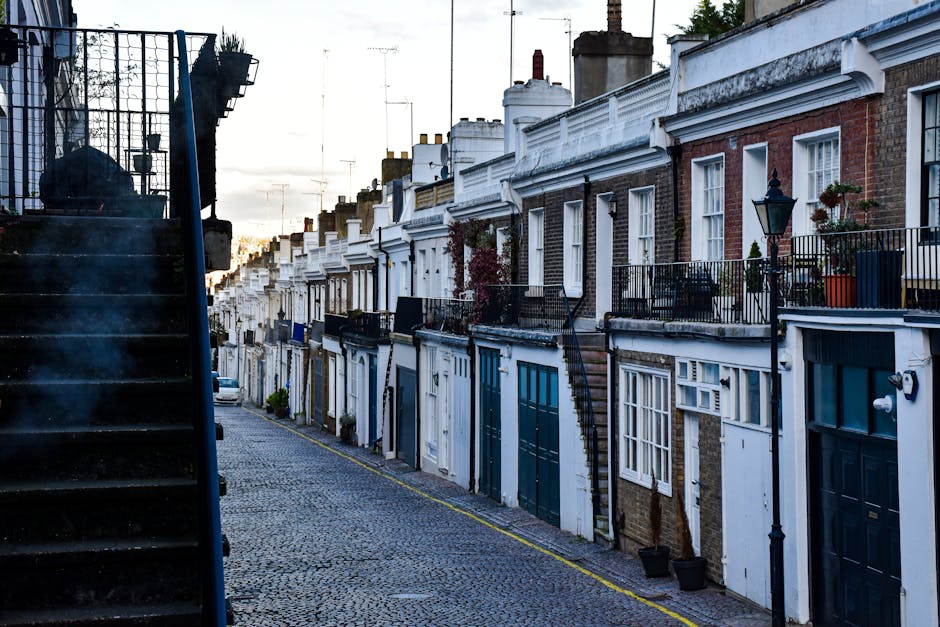
SW7 removals guide for narrow streets and parking access
Posted on 28/05/2026
SW7 Removals Guide for Narrow Streets and Parking Access
If you are moving in SW7, you already know the challenge: beautiful streets, elegant buildings, and very little room to breathe. A normal van plan can fall apart fast when the road is tight, parking is limited, or a neighbour's car is sitting exactly where the loading bay should be. This SW7 removals guide for narrow streets and parking access is designed to help you avoid that last-minute scramble. It walks through how local moves actually work, what to plan for, and how to keep the day calm, safe, and efficient. Truth be told, the difference between a smooth move and a stressful one is often just preparation.
Whether you are leaving a flat near the museums, moving into a townhouse off a busy side street, or handling a student move with one flight of stairs and no driveway, the same rules apply: plan access carefully, choose the right vehicle, and think a couple of steps ahead. If you need broader help with move planning, our removal services overview is a sensible place to start.
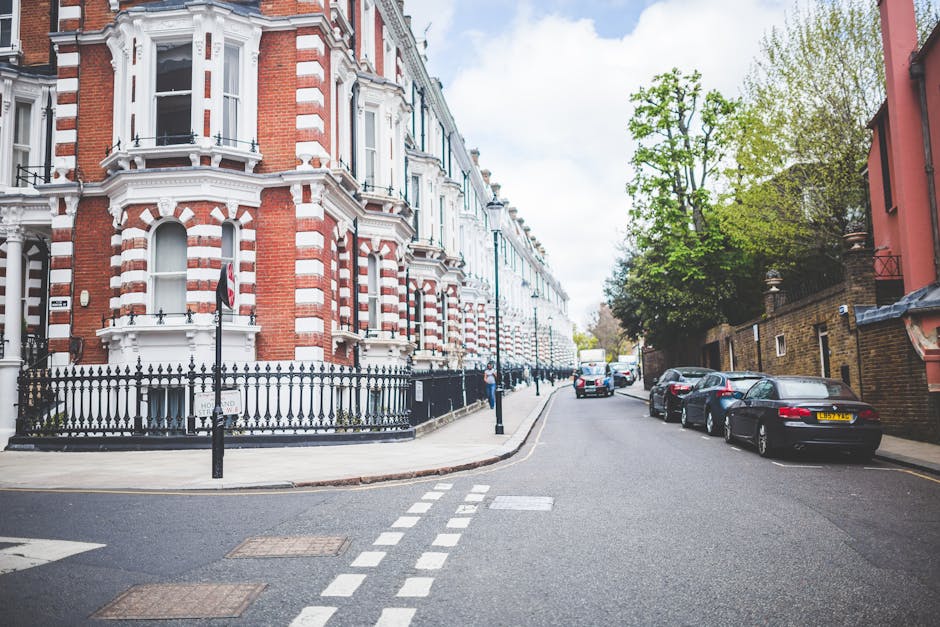
Why SW7 removals guide for narrow streets and parking access Matters
SW7 is one of those London postcodes where the street layout can make a move feel harder than it needs to be. Narrow roads, controlled parking, and high foot traffic all create friction. A van may be perfectly suitable on paper, but if it cannot pause safely near the entrance, every single item becomes slower to load. That means more carrying, more time, and usually more cost.
This matters even more in areas with basement flats, mansion blocks, split-level homes, and period properties. You might have a short physical distance from door to van, or you might have a full lift of stairs and a vehicle parked two streets away. Either way, access is not a side issue. It is the move.
In our experience, people often focus on boxes and dates first, then leave parking until the week before. That is usually backwards. If you sort access early, everything else becomes easier: packing, timing, route planning, and even your budget. For many households, that is the difference between a tidy move and a day that drifts into early evening with everyone feeling frazzled.
It is also worth remembering that SW7 often involves shared roads, delivery congestion, and residents who depend on predictable loading patterns. A well-planned move shows respect for the street, the neighbours, and the building rules. That sounds simple, but it goes a long way.
How SW7 removals guide for narrow streets and parking access Works
The basic process is straightforward, but the details matter. First, the removal team assesses the access point: road width, bay availability, kerb height, entry gates, staircases, lifts, and any time restrictions. Then they decide how close the van can reasonably and safely get to the property. After that, they plan loading methods, team size, and vehicle type.
Here is the practical version: a good move in SW7 usually starts before moving day, not on it. The planning stage may include a quick review of the street, a conversation about parking options, and a realistic estimate of how many trips will be needed if the vehicle cannot sit right outside.
If you are booking a man with a van in South Kensington, this kind of local access planning is especially valuable because the setup is often more flexible than a large lorry, but only if the route and parking are thought through properly. Smaller vehicles can save time in tight streets, although sometimes a second run is still smarter than forcing a bigger van into a bad spot. Lets face it, size is not always the answer.
For some properties, the move works best with a short shuttle system. Items are carried to a nearby legal stopping point, loaded there, then moved to the new address in phases. It is not glamorous, but it works. And in narrow SW7 streets, working reliably matters more than looking impressive.
Key Benefits and Practical Advantages
Planning around narrow streets and parking access is not just about avoiding hassle. It creates real advantages that affect the whole move.
- Less wasted time: the crew spends less time circling for parking or carrying furniture from far away.
- Lower risk of damage: fewer awkward lifts, fewer rushed turns, fewer scraped doorframes.
- Better cost control: efficient access usually means fewer labour hours and less fuel waste.
- Lower stress: nobody likes watching a van disappear down a side street while the clock keeps ticking.
- Smoother neighbour relations: a tidy loading plan reduces disruption and avoids unnecessary blocking.
- More accurate scheduling: arrival times become more realistic when access is known in advance.
There is another benefit people miss: clearer communication. Once access has been discussed properly, you can make better decisions about packing, dismantling furniture, and whether you need packing and boxes support before the move. That small bit of structure keeps the day from turning messy.
Expert summary: In SW7, access planning is not an optional extra. It is a time-saver, a safety measure, and often the simplest way to protect your budget.
Who This Is For and When It Makes Sense
This guide is useful for anyone moving in or out of SW7, but it is especially relevant if your property has awkward access. That includes flats above shops, basement apartments, mews houses, converted townhouses, and properties on busy residential streets where parking disappears fast.
It also makes sense if you are handling a specific type of move that needs extra care. For example, a family moving furniture from a top-floor flat will face different access issues from a student leaving a studio with a few bags and boxes. If that sounds like your situation, our student removals in South Kensington page may be useful too.
You should pay attention to this guide if you are:
- moving from a flat with no dedicated parking
- dealing with stairs, narrow hallways, or a small lift
- moving furniture that needs extra care, such as antiques or large wardrobes
- trying to keep the move within a fixed time window
- booking a same-day move and need a fast, practical plan
- unsure whether your street can handle a larger vehicle
And if you are moving a home rather than a single room, it is worth looking at house removals in South Kensington for a fuller service picture. Different property types, different headaches. That is just the reality.
Step-by-Step Guidance
A reliable SW7 move is usually built in stages. If you rush the access part, the rest tends to wobble. Here is a practical way to handle it.
1. Check the street and building access early
Walk the route from the property to the nearest realistic stopping point. Look for low rails, tight corners, narrow gates, steps, and areas where another parked car could block the van. If there is a concierge, porter, landlord, or building manager, ask about any loading rules. A two-minute conversation can save a two-hour problem.
2. Estimate what vehicle size actually fits
Do not assume a bigger van is always more efficient. In some SW7 streets, a medium van or a flexible removal van is easier to position and quicker to load than a larger vehicle that cannot stop close enough to the door. A slightly smaller van with better access can out-perform a larger one every time.
3. Plan parking before moving day
Parking access can make or break the schedule. If legal on-street stopping is limited, decide where the van will wait, how long it can remain there, and what happens if the bay is occupied. Many people forget to ask this until the morning of the move. By then, everyone is already under pressure.
4. Pack by carry distance, not just by room
Think about what should go first. Heavy or awkward items should be near the exit and labelled clearly. Smaller boxes can be grouped so the crew can carry them efficiently. If you need stronger support with supplies, packing and boxes help can make a noticeable difference.
5. Build in a little time buffer
London traffic has a habit of doing its own thing. So do parking bays. Build a buffer into the schedule, especially if your building has access windows or if there is any chance of a delay while the van positions itself. A 15-minute cushion may sound small. It rarely feels small on the day.
6. Load in the right order
Start with the items that are bulky, sturdy, or most difficult to manoeuvre. Keep fragile pieces protected and easy to identify. If there is a piano, a fragile mirror, or a very heavy sideboard, that should be handled with proper specialist planning rather than improvised lifting. For that, piano removals are a good example of why specialist handling matters.
7. Confirm the handover plan at both ends
The move is not only about getting out of SW7. You also need to know where the vehicle can stop at the new address, whether there is a lift, and whether items need to be carried through communal areas. If you are moving into or out of a flat, the practicalities are often different from a house move. Our flat removals service is built around that kind of detail.
Expert Tips for Better Results
Small decisions make a big difference here. A few practical habits can improve the whole experience.
- Choose the calmest loading time possible. Early morning is often easier than mid-afternoon in busy local streets.
- Measure bulky furniture first. If a sofa barely clears the hallway, you need to know that before the van arrives.
- Use colour labels or clear room labels. It sounds simple, but it saves a surprising amount of time.
- Keep a small "first-night" bag separate. Charging cables, medication, kettle bits, snacks, and keys should not be buried in a box somewhere.
- Take photos of tight access points. A quick photo of steps, gates, or parking restrictions can help everyone plan better.
- Ask about insurance and handling standards. Peace of mind matters, especially with tight corners and valuable items. If you want to understand how this is approached, see our insurance and safety information.
One of the simplest expert moves is to reduce the number of trips between the property and the van. It sounds obvious, but the route from front door to kerb is often where time disappears. Even a small delay there multiplies quickly.
Another useful habit is to be realistic about what you can carry yourself. People often say, "It's only a few boxes," then discover one of those boxes contains books, and books are sneaky little things. Heavy, awkward, and somehow always more numerous than expected.
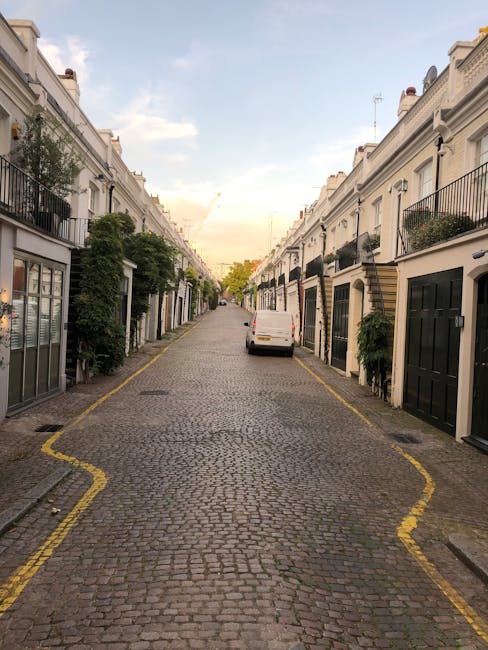
Common Mistakes to Avoid
Most moving problems in SW7 are preventable. The usual mistakes are not dramatic, just expensive or annoying.
- Booking without checking access. If the van cannot stop nearby, the whole plan changes.
- Underestimating walking distance. "Just around the corner" can be a long carry with a wardrobe.
- Assuming parking will be available on the day. In London, that is a risky assumption.
- Packing too late. Last-minute packing and narrow access are a bad combination.
- Forgetting building rules. Lift bookings, delivery windows, and entry codes matter more than people expect.
- Using the wrong vehicle size. Too large can be just as awkward as too small.
- Not protecting shared areas. Hallways, lifts, and doorframes need care.
If the move is business-related, the same rules apply. Office relocations in a compact area need time planning, access checks, and communication with the building. For that scenario, our office removals in South Kensington page covers the practical side quite well.
And one more thing: do not leave keys, parking permits, or access codes in a random drawer and assume you will remember them. You probably will not. At least, not when you need them most.
Tools, Resources and Recommendations
You do not need complicated tools to manage an SW7 move, but a few simple things help enormously.
- Measuring tape: for doors, corridors, furniture, and awkward turns.
- Phone camera: for photos of access points, parking signs, and stair layouts.
- Labels and marker pens: for room names, fragile items, and priority boxes.
- Protective materials: blankets, wrap, corner protection, and tape for delicate pieces.
- Contact list: keep building managers, movers, and the main contact person in one place.
It also helps to use a service that matches the move type. For example, if you only need practical help with lifting and transport, man and van services may be a better fit than a full-scale team. If you need a broader approach, removals in South Kensington can cover a fuller end-to-end job.
For people comparing options, it is also worth checking pricing and quotes carefully. A quote should make sense in relation to access, distance, labour, and any special handling. If a price seems unusually low, ask what is and is not included. The cheapest figure is not always the simplest day.
Law, Compliance, Standards, or Best Practice
This kind of move sits in a practical space rather than a highly regulated one, but there are still standards and responsibilities to keep in mind. You should follow local parking rules, respect building access conditions, and avoid blocking roads or causing unsafe loading. In London, this is not just a courtesy; it is part of operating responsibly.
Best practice also means protecting people and property. That includes safe lifting, sensible handling of heavy items, clear communication, and appropriate equipment. Removal work can become risky when people try to rush through tight spaces. A careful approach is usually the safer and faster one.
For reputable moving support, you should expect:
- clear communication before the move
- practical assessment of access and parking
- careful handling of items and shared areas
- reasonable explanations around cost and timing
- appropriate attention to safety and insurance
If you want more background on standards and company approach, our health and safety policy and about us pages are useful support reading. For sustainability-minded customers, recycling and sustainability explains how unwanted items can be handled more responsibly.
Options, Methods, or Comparison Table
Different SW7 moves call for different setups. Here is a simple comparison to help you decide what fits best.
| Option | Best for | Strengths | Limitations |
|---|---|---|---|
| Man and van | Smaller moves, short-distance loading, flexible access | Easy to position in narrow streets, efficient for flats and partial moves | May require multiple trips for larger households |
| Full removal team | Whole-home moves, heavy furniture, complex access | More support, better for stair-heavy or time-sensitive moves | Usually higher cost than basic transport-only help |
| Same-day service | Urgent moves or late changes | Fast turnaround and practical problem-solving | Availability can be limited, especially at busy times |
| Storage-first approach | Moves with timing gaps, renovations, or delayed access | Reduces pressure when move-in and move-out dates do not line up | Additional coordination and storage cost |
If your schedule is tight, the best option may be same-day removals in South Kensington. If your move involves temporary holding of items, storage in South Kensington can keep things steady while access or dates are being sorted out.
Case Study or Real-World Example
A typical SW7 move might look something like this. A couple is leaving a second-floor flat on a quiet road near busy local amenities. There is no private driveway, only limited street parking, and the staircase is narrow at the turn. On paper, it looks manageable. In practice, if the van parks too far away, the job becomes slower and more tiring very quickly.
So the team checks the access in advance, plans for a medium-sized vehicle, and agrees on a loading point that keeps the carry distance short. The largest wardrobe is dismantled before moving day. Fragile boxes are marked clearly. The couple keeps essentials separate. Nothing fancy, just disciplined planning.
On the day, the van arrives at the agreed time, the crew loads in a sensible order, and the move is finished with less disruption than expected. Not because the street suddenly became wider, obviously. Because everyone worked with the access conditions rather than against them.
That is the real lesson here. Narrow streets are not a problem if they are treated as a planning issue rather than a surprise. Small adjustment, big gain.
Practical Checklist
Use this checklist to keep your SW7 move under control.
- Confirm the moving date and time window
- Check loading access at both addresses
- Measure large furniture and awkward items
- Ask about parking restrictions or building rules
- Decide whether a smaller van is more practical
- Book packing materials or support if needed
- Separate essential items for the first 24 hours
- Protect floors, corners, and shared hallways
- Share access codes, keys, and contact details
- Confirm insurance and handling expectations
- Allow extra time for traffic or parking delays
- Keep a backup plan in case the nearest bay is occupied
If you are comparing service levels, you can also review removal services in South Kensington and local removal companies to see which approach suits your situation best.
Get a free quote today and see how much you can save.
Conclusion
In SW7, removals are rarely about brute force. They are about timing, access, and sensible planning in streets that do not leave much margin for error. If you get the parking plan right, choose the right vehicle, and prepare the property properly, the move becomes much easier than people expect.
That does not mean every issue disappears. A tight stairwell is still a tight stairwell. A parked car is still a parked car. But with the right approach, those problems stop being disasters and start becoming manageable details.
So take a breath, check the route, and plan the loading space before the first box is lifted. A little calm at the beginning can save a lot of stress at the end. And honestly, that is usually the bit people are happiest about afterwards.