Man with van in South Kensington for practical home and business removals

Our man with van service in South Kensington is designed for straightforward moving work that still needs care, organisation and a sensible approach. We handle single-item transport, partial loads and smaller removals with attention to access, timing and safe loading. If you need help moving furniture, boxes or mixed household items across London, this service provides a flexible option without the scale of a full house move.
The work is planned around the items being moved, the access at each address and the level of help required on the day. That can include moving belongings from a flat, collecting items from storage or supporting a business relocation with lightweight equipment and archive boxes. For a clearer picture of how different jobs are structured, see our removals service, home moves and commercial moves pages.
As a service, man with van work suits customers who want direct transport with practical handling rather than an oversized vehicle or an unnecessary level of complexity. It can be a useful choice when the volume is too much for a car but does not justify a large removal truck. If you are comparing options, begin with the type of load, the collection and delivery points, and whether you need carrying help as well as transport. A clear description of the job usually makes the next step simpler.
What our man with van service covers
We use the service for furniture pieces, boxed belongings, small appliance moves and other transport tasks that benefit from careful handling and a sensible loading plan. It is equally suited to one-off deliveries and to moving a handful of items from one property to another. Because the work is scoped to the task, it can be a practical way to manage moves that sit between courier transport and a full removal package.
There is no single shape to a man and van job. Some customers need a sofa or bed collected, others need several rooms’ contents moved in stages, and some simply want help getting bulky items through stairwells and into the van securely. If you would like to compare the service with a more general vehicle-based option, our man and van page and moving van page explain the format in more detail.
When you request a quotation, the main factors are the amount to be moved, the distance involved, the type of items and the access at both properties. Lift availability, parking distance and awkward carrying routes can all affect how the work is planned. Two short notes are often helpful: whether any items need dismantling, and whether there are narrow stairs or limited loading space. Keep the focus on the job itself rather than on guesswork, and allow the details to shape the quote.
Domestic moves and individual item transport

Domestic jobs often make up the core of this service. That can mean moving a small flat, collecting a few large items from different addresses or taking the contents of a room to a new home. The process is usually more efficient when items are grouped sensibly, fragile pieces are separated and heavier furniture is positioned so it can be loaded in a stable order. For larger home moving needs, our house removals and house movers pages may also be useful.
We can also support jobs that sit outside a conventional move, such as furniture pick-up, replacement item transport or getting a single large piece from a seller to your property. These smaller tasks still benefit from the same basic care: checking dimensions, protecting surfaces and making sure the route from property to van is manageable. If you are comparing service types, the furniture pick-up page is a useful place to start.
For many domestic customers, the key decision is not whether the job is big or small, but whether it is better to handle it as a structured move or as a simple transport run. A roomful of boxes, one or two wardrobes, or a mix of furniture and bags can all be handled within the same service when planned properly. The service is deliberately flexible, so the practical question is always what needs to travel and how it should be loaded.
Access, loading and careful handling
Planning the move around the property
Good loading starts with the property itself. Top-floor flats, shared entrances, basement rooms and restricted parking can all influence how quickly items can be moved and what size vehicle is suitable. Rather than treating every job the same, we look at the route from door to van, the shape of the items and whether lifting or carrying assistance is needed. That keeps the move steady and reduces avoidable handling.
Protective handling matters most with furniture, mirrors, appliances and packed boxes that can be damaged if they shift in transit. Items are placed so that heavier pieces can help stabilise the load, while more delicate belongings are kept secure and separated. If items need to be taken apart first, that should be mentioned in advance so the move can be planned more effectively. For customers wanting a dedicated vehicle-based move, the removal van page may be relevant.
For some jobs, the service is really about managed access rather than the distance travelled. A short local move can still require care if the staircase is tight or if there is limited room outside the building. In those cases, the value lies in organised handling, not simply mileage. You do not need to overstate the job; a concise list of what is being moved is usually enough to begin.
Business moves, small offices and equipment transport

Commercial customers often need a man with van service for lighter office moves, local business deliveries and the transfer of equipment that does not justify a larger removals operation. That can include chairs, desks, filing boxes, small stock, displays or packaging materials. Where appropriate, we can work alongside your schedule so the move is organised around opening hours, building access and the order in which items need to be delivered or collected.
Office work usually benefits from a slightly different approach to domestic transport. Items may need to be kept in a precise order, labelled for the right room or separated by department so they can be put back in place quickly. Our office removals and office relocation services pages cover that kind of work in more detail. For broader transport and removal options, the removal services page also gives a wider overview.
Some business moves are straightforward and some need careful sequencing. A few archive boxes and a workstation can be handled differently from a complete office clear-down, even if the vehicle is similar. The most useful preparation is a short inventory of what needs moving and any access points that may matter on the day. If you are asking for a quotation, include the collection point, the delivery address and anything that is likely to affect the route or loading order.
Household packing, protective preparation and staged moves
While the man with van service is mainly about transport and loading, some jobs benefit from a little preparation before collection. Boxes should be closed securely, loose items grouped together and breakables packed so they can be handled without pressure from heavier goods. Where possible, simple labelling helps the load to be organised and makes it easier to place items in the right part of the van or the correct room at delivery.
If you want additional help with preparation, our packing and unpacking services page explains that support in more detail. For some customers, packing is especially useful when the move is being done in stages, because it reduces confusion about which items travel together and which items stay behind. It also helps when a property is busy, access is limited or the move needs to be completed around work or family commitments.
Staged moves are common where only part of a home is travelling at once. One delivery may be for furniture, another for bags and boxes, and another for items coming out of storage. This is still best handled as one planned transport job rather than a series of improvised trips. A little structure makes the service easier to manage and often makes the loading sequence more efficient.
About South Kensington
South Kensington is a district in the Royal Borough of Kensington and Chelsea, situated to the west of central London and closely associated with nearby Knightsbridge, Chelsea and Earl’s Court. The area is widely recognised for its grand stucco terraces, garden squares and cultural institutions, many of which developed during the nineteenth century as west London expanded. Its street pattern reflects that period of residential and institutional growth, with formal squares, broad avenues and a network of quieter mews streets running behind them. The district is also shaped by its proximity to Exhibition Road, one of London’s most distinctive cultural corridors, where museums and academic buildings sit within a compact urban setting. The Natural History Museum, the Victoria and Albert Museum and the Science Museum all stand nearby, giving the area a strong identity linked to collections, scholarship and public exhibition. South Kensington Underground station has long been an important transport hub for the district, connecting the neighbourhood to the rest of the city through the District, Circle and Piccadilly lines. Green space is available in the wider surroundings through Hyde Park and Kensington Gardens, while the local streets are known for a mix of elegant residential buildings, private garden access and a steady flow of visitors drawn by the museums and architecture. The area retains a character that combines everyday residential use with notable public institutions, making it one of central London’s most recognisable and architecturally coherent districts.
How we approach quotations and scheduling
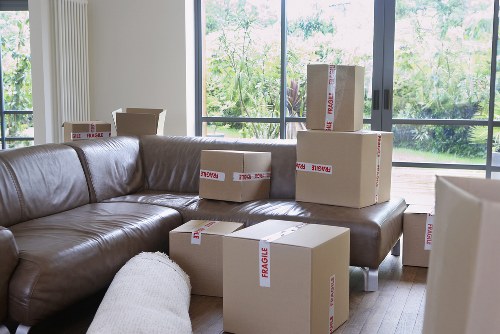
A good quotation starts with the basics: what needs moving, where it is going and whether there are any access issues. From there, the job can be framed as a direct transport run, a furniture collection, a small home move or a more involved business relocation. Clear information helps avoid unnecessary back-and-forth and gives you a more useful comparison if you are weighing up different ways to complete the move.
When you are preparing the enquiry, it is usually enough to give a short description of the items, any stairs or parking limits, and the preferred date or time window. If there are fragile items, bulky pieces or goods that need to stay together, mention that as well. If you want to compare the wider service structure, our man with a van, man with van and man with van removal pages explain the same core service from slightly different angles.
We do not treat every quote as if it were the same job, because the practical details matter. A short journey with difficult access can be more involved than a longer route with easy loading, while a simple collection can be straightforward even if the items are awkward in shape. The aim is a quotation that reflects the actual move, not a generic estimate that leaves too much to chance.
Choosing the right removal option
Some customers are best served by a small vehicle and direct handling, while others need a fuller removals package. The right choice depends on how much needs to move, how quickly it must be loaded and how much help is wanted at each stage. Where the move is larger or includes more rooms, it may be worth comparing this service with our removals near me and movers pages to see which format feels most suitable.
There are also situations where the vehicle itself becomes part of the decision. A job with awkward furniture or mixed household contents may work better with a different loading layout than one that is mostly boxed goods. Our removal truck hire, moving truck and removals van pages can help customers understand the range of transport options available on the site.
If you only need a small amount moved, that does not mean the job is minor. It simply means the most efficient solution may be a smaller, more adaptable service. Equally, if the move is more involved, the value may lie in having the right structure from the start. The decision is really about matching the load, the access and the timing to the most practical removal format.
Final arrangements and a simple way to get in touch

Once the move is agreed, the last step is to settle the basics so the day runs smoothly. That means confirming the addresses, checking that the load list is still accurate and making sure any special access arrangements are understood. It can also help to note whether anything is going into storage, whether items are staying in sequence and whether there are any goods that should be handled separately from the main load.
For customers who prefer to look at the wider service range before asking for a price, our about us, pricing and quotes and contact us pages are the most direct next stops. They sit alongside the service pages already listed here, so you can compare the practical options and then decide how you want to proceed. When you are ready, send the job details and request a quotation.
Whether you are moving a single piece of furniture, a set of boxes or a small business load, the same principle applies: keep the request clear, keep the load details accurate and choose the option that matches the work. If you would like a quotation, use the contact route that suits you best and we will respond based on the information you provide.