South Kensington council permit rules for moving vans
Posted on 30/06/2026
South Kensington council permit rules for moving vans: a practical guide for a smoother move
If you are moving in or out of South Kensington, the permit side of the job can feel oddly bigger than the furniture itself. One wrong assumption about parking, bay restrictions, or loading access, and suddenly the day gets tense, expensive, and very long. This guide explains South Kensington council permit rules for moving vans in plain English, so you can plan properly, avoid the usual headaches, and get the move done with less drama than most people expect. To be fair, that is what most of us want on moving day: fewer surprises, fewer phone calls, and one less thing to worry about.
Below, you will find what the rules generally mean in practice, how moving van parking permissions work, when you may need extra consideration, and how to prepare a move that fits the streets rather than fighting them. If you are still in the planning stage, you may also find it helpful to read South Kensington removals: what to know before you book and our SW7 removals guide for narrow streets and parking access for more local context.

Why South Kensington council permit rules for moving vans Matters
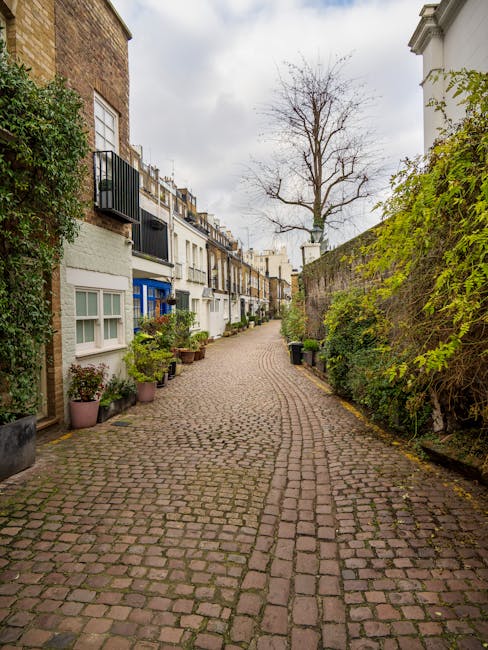
South Kensington is not a relaxed, wide-open suburb where a large vehicle can pull in, pause, and sort itself out. It is a busy part of London with narrow roads, resident bays, controlled parking areas, loading restrictions, and traffic that can change your timing in a heartbeat. If you are not paying attention to permit rules, your van may end up circling the block while the clock quietly eats away at your schedule.
The practical reason this matters is simple: moving vans need space. Space to stop safely, space to load without blocking traffic, and space for the team to work without feeling rushed. In a place like South Kensington, that space is not always available by default. A permit, loading exemption, or prior parking arrangement can be the difference between a move that flows and one that turns into a mildly chaotic parade of apology texts.
There is also a trust point here. Landlords, building managers, neighbours, and councils all tend to be more cooperative when a move looks organised. If the vehicle is parked in the right place, paperwork is ready, and the crew knows the plan, everything feels less intrusive. And let's face it, moving day already makes enough noise without adding avoidable friction.
Expert summary: In South Kensington, the best move is usually the one that is planned around parking first and furniture second. If the van can stop legally and safely, the rest of the day becomes much easier.
If you are weighing up the logistics of a flat, house, or student move, a broader overview such as services overview and removals in South Kensington can help you see how permit planning fits into the whole job.
How South Kensington council permit rules for moving vans Works
In practice, moving van permit rules in South Kensington usually revolve around where the vehicle can stop, for how long, and whether the space is legally available at that time. The exact arrangement depends on the street, the bay type, nearby restrictions, and whether a building has private access or a shared forecourt. There is no single one-size-fits-all answer, which is why a little local checking matters so much.
For many moves, the process starts with identifying the exact address and the best spot for the van. Is there a loading bay nearby? Is the road single yellow, double yellow, or a controlled parking area? Is there enough room for a medium or large van to stand without causing a blockage? These details sound small, but they decide whether you can park for the move or whether you need to plan around short loading windows.
One thing people sometimes misunderstand is that a parking permit for residents is not the same thing as a moving van permit or loading arrangement. If you hire a removal vehicle, you should not assume the driver can simply use any available bay. The rules around commercial vehicles, waiting times, and loading activity may be different, and you want to be careful with that distinction.
South Kensington also has a lot of property types that complicate access. Basement flats, mansion blocks, converted terraces, and buildings with limited frontage all create little access puzzles. A van might be technically allowed on the street but still be awkward to use because the best loading point is half a building away. That is where planning earns its keep.
For readers moving into upper-floor flats, the access challenge is even more obvious. Our Gloucester Road flat removals stairs and lift access guide is a useful companion piece, because parking and building access usually go hand in hand.
What usually needs checking before moving day
- Whether the van can legally stop close to the entrance.
- Whether the road has timed loading restrictions.
- Whether there is a suspended bay, event closure, or nearby obstruction.
- Whether the property has a concierge, permit book-in process, or service entrance.
- Whether the van size fits the street without blocking traffic.
That may sound like a lot, but in real life it is usually a short conversation and a quick site check. A ten-minute confirmation call can save you an hour of circling later. Strange how often that works.
Key Benefits and Practical Advantages
Getting the permit side right does more than avoid a fine. It improves the whole moving experience. When the van can load close to the property, the team spends less time walking items back and forth, which means less fatigue, less risk of damage, and a calmer pace overall. On a rainy London morning, that is worth quite a lot.
Another benefit is timing. In an area with narrow streets and high demand for curb space, a well-planned permit or loading arrangement can help you work within a realistic schedule. That matters whether you are moving a studio flat with a few boxes or a family home with a full set of furniture, wardrobes, and the usual mysterious collection of cables.
There is also a cost angle. If the van cannot stop properly, you may end up with longer labour time, more waiting, or a second trip. Even where the permit itself is straightforward, the operational cost of poor planning can be more annoying than the permit fee ever was. Truth be told, most moving budgets are stretched enough already.
For some people, the biggest advantage is peace of mind. You know the crew is not improvising outside your building while neighbours look on and someone in a suit tries to squeeze past with a coffee. That calmer atmosphere can make a genuinely stressful day feel manageable.
Helpful supporting pages include man with a van South Kensington, man and van South Kensington, and removal van South Kensington if you want to understand vehicle and service options before booking.
Who This Is For and When It Makes Sense
This guidance is for anyone using a moving van in South Kensington, but the pressure is especially high for people moving into flats, student lets, furnished properties, or buildings with limited curb access. If you are dealing with a steep stairwell, a lift booking slot, or a strict building manager, the parking piece becomes part of a wider access plan, not a standalone chore.
It also makes sense for landlords, letting agents, and office managers who want a move to happen without upsetting neighbours or disrupting the street. In the London context, a little coordination goes a long way. No one wants a van parked awkwardly across a narrow road while someone is still hunting for keys.
Here are some common situations where permit planning is particularly useful:
- Flat moves on busy residential streets with tight parking.
- House removals where the vehicle needs to load bulky items from the frontage.
- Student moves around tenancy start and end dates, when everyone is moving at once.
- Office relocations where timing, access, and parking windows are all being watched.
- Same-day moves when a short notice booking leaves very little room for mistakes.
If you are a student or helping one move, the specific timing pressure can be even sharper. Our student removals South Kensington page is a useful read because student moves often depend on quicker loading and tighter schedules than people expect.
Step-by-Step Guidance
Here is a practical way to handle South Kensington council permit rules for moving vans without overcomplicating it.
- Check the property access first. Before you think about the permit, decide where the van would ideally stop and whether there is space to load safely.
- Identify the street restrictions. Look at bay restrictions, yellow lines, loading-only areas, nearby school-time controls, and any local limitations that apply to your road.
- Confirm the vehicle size. A small van may fit where a larger removal vehicle cannot. That detail changes the plan, sometimes a lot.
- Speak to the building or landlord. Ask whether there are internal rules, booking windows, lift reservations, or service entrance requirements.
- Plan a realistic loading window. Allow more time than you think you need. It is rarely the boxes that cause the delay; it is the hallway, the keys, or the van position.
- Arrange any permit or parking support in advance. If a permit, dispensation, or parking arrangement is needed, sort it early rather than leaving it to the day before.
- Share the details with the removals team. Give them the full address, access notes, and any restrictions so they can arrive ready.
- Do a quick final check on the day. If the road situation has changed, adjust quickly instead of forcing the original plan.
A simple example: if you are moving from a top-floor flat near a busy street with limited loading space, you may want the van to arrive slightly earlier than the lifting crew expects. That gives you time to confirm the loading point, and it avoids the slightly awkward dance of trying to park while everyone waits. Not ideal, really.
For broader planning, you may also want to look at flat removals South Kensington and house removals South Kensington so you can match the access strategy to the property type.
Expert Tips for Better Results
After enough local moves, a few patterns become obvious. First, the closer you are to confirming parking details, the smoother the day tends to be. Second, a clean access plan is often more valuable than squeezing every box into a tight timetable. Third, over-optimistic estimates are the quickest way to create stress. Moving days have a funny way of expanding to fit the complications you bring to them.
Here are some practical tips that help in South Kensington:
- Book earlier than you think you need to. Streets are busier than they look on paper, and good time slots disappear quickly.
- Use precise instructions. Saying "near the museum side" is less useful than naming the exact entrance or loading point.
- Keep a backup plan. If the preferred parking spot is unavailable, know the nearest alternative before the van arrives.
- Pack the first-load items separately. Keep essentials, documents, and valuable items ready so the team can start without delay.
- Measure awkward furniture. A sofa that turns out to be wider than the stairwell is a classic move-day irritation. Happens all the time.
- Check for events and weekday pressure. South Kensington can feel different on a quiet morning versus a busy afternoon.
If you need extra support beyond the parking side, it may help to review packing and boxes South Kensington and furniture removals South Kensington. Better packing and better handling both reduce the time the van needs to stay in place.

Common Mistakes to Avoid
The most common mistake is assuming a van can simply "pull up for a minute." In controlled parking areas, a minute can be enough to cause a problem. Even where the risk of enforcement feels low, the practical issue remains: if the van cannot stop safely, the move slows down.
Another mistake is treating access as a last-minute detail. People often focus on boxes, tape, and cancellation notices, and then discover the street is not friendly to a large vehicle. By then, the calendar is already set. Bit late, frankly.
Watch out for these errors:
- Not checking whether the van size suits the road.
- Assuming a resident parking space can be used for a commercial loading job.
- Forgetting to tell the removals team about narrow access or low-height barriers.
- Leaving lift bookings or concierge notices until the morning of the move.
- Not allowing enough time for loading, especially on upper floors.
- Ignoring nearby restrictions like suspended bays or temporary road works.
There is also a subtle mistake people make when comparing removal providers: choosing the cheapest quote without asking how they handle parking. A lower quote can look smart until the day gets messy and the crew spends ages waiting for a legal spot. If you are comparing options, our avoid hidden removal fees in South Kensington moves article is worth a look.
Tools, Resources and Recommendations
You do not need a stack of paperwork to manage moving van parking well, but a few simple tools make life easier. A printed moving-day plan, a phone with your building contact saved, and clear notes on access can prevent most avoidable confusion.
Useful things to have ready include:
- A street map or clear directions for the driver, especially if there are one-way sections or awkward turns.
- Contact details for the property manager in case the access point changes.
- A room-by-room move list so items can be unloaded efficiently.
- Basic measurements for tall furniture, stairwells, and lifts.
- Time buffers for traffic, loading, and key handover delays.
Recommended supporting pages on this site include pricing and quotes, removal services South Kensington, and removal companies South Kensington if you are still comparing how much support you actually need.
For people who want a broader service picture, about us can help explain the kind of local approach that tends to work best in dense neighbourhoods like this. And if you are especially cautious about belongings, insurance and safety is a sensible page to review before any valuable move.
Law, Compliance, Standards, or Best Practice
While this article is not legal advice, the practical compliance point is straightforward: moving vans in South Kensington should be parked and operated in line with local restrictions, highway rules, property requirements, and any loading instructions that apply to the street or building. That means taking signs seriously, respecting parking time limits, and not treating loading as a free-for-all.
In UK moving practice, the common sense standard is simple: if a vehicle is occupying public road space, it should do so legally and safely. That includes being aware of permits, timed bays, red route style restrictions where relevant, and any local access controls. For occupied buildings, there may also be fire safety, concierge, or lift rules to observe. These are not just formalities; they prevent disruption and reduce risk to people and property.
Best practice usually looks like this:
- Confirming the access plan before the move date.
- Making sure the driver understands any on-street restrictions.
- Keeping loading areas clear and avoiding unnecessary obstruction.
- Using a suitably sized vehicle rather than forcing a larger van into a tight road.
- Coordinating with building management when shared access is involved.
If you are moving something unusually heavy or delicate, it is also worth aligning your parking plan with handling best practice. For example, piano removals South Kensington needs more than just curb space; it needs careful timing, clear access, and proper lifting strategy.
Options, Methods, or Comparison Table
There are a few common ways people handle van access in South Kensington. The best choice depends on the street, the property, and how much time you have.
| Method | Best for | Pros | Limitations |
|---|---|---|---|
| Pre-arranged parking or permit support | Planned moves in restricted streets | More certainty, less waiting, cleaner coordination | Needs advance planning and accurate address details |
| Short loading window | Quick flat moves or light loads | Simple when the road allows it | Can be tight if access is busy or traffic is heavy |
| Smaller vehicle approach | Narrow roads and limited frontage | More flexible positioning | May require more trips or careful packing |
| Staged move with storage | Complex moves or delayed handovers | Reduces pressure on the day and eases access issues | Adds an extra step and needs coordination |
In many South Kensington moves, the smartest option is not the biggest van or the fastest loading slot. It is the one that matches the street. That might mean using a smaller vehicle, splitting the move, or booking a slot that lets the crew work without rushing. If storage is part of the plan, storage South Kensington can be helpful when keys, completion times, or access windows do not line up neatly.
Case Study or Real-World Example
Imagine a couple moving from a first-floor flat near Gloucester Road into a nearby property a short drive away. On paper, it looks easy. Same area, small distance, not too much furniture. But the loading point outside the old flat is limited, the building has a narrow entrance, and there is only a short window when the street is less busy.
Instead of guessing, they check the road layout, speak to the building contact, and ask the removals team what size van will be easiest to position. They also separate the first-load boxes from the fragile items and keep the keys and documents in one place. On moving day, the van arrives at the agreed time, the loading spot is known in advance, and the crew gets straight to work. The whole thing still feels like moving, obviously, but it is manageable. No frantic phone calls. No awkward double-parking. A small victory, but a real one.
That same approach scales up for bigger jobs too. For example, office moves around the museum district or busier roads near Exhibition Road need even tighter coordination. If that sounds relevant, see Exhibition Road removals: insider tips for museum district moves and Victoria and Albert Museum moves logistics and removals help for more local logistics thinking.
Practical Checklist
Use this simple checklist before moving day. It is basic, yes, but that is often exactly what saves time.
- Confirm the exact moving address and preferred loading point.
- Check whether the street has parking, loading, or waiting restrictions.
- Agree the van size with the removals team.
- Ask the building whether lift booking or access notes are required.
- Make sure the driver has any useful directions for narrow streets or one-way roads.
- Pack essentials, documents, and valuables separately.
- Set aside time for traffic and unexpected delays.
- Keep a backup contact for the property in case access changes.
- Check whether your move date coincides with any local event or road work nearby.
- Review your quote so parking-related waiting or access issues are understood in advance.
If you want a broader moving plan rather than just the parking side, same-day removals South Kensington may be useful if your timing is tight, while office removals South Kensington is the better fit for business moves with more formal access needs.
Conclusion
South Kensington council permit rules for moving vans may look like a minor admin detail at first glance, but they often shape the entire experience of a move. Get the parking and loading side right, and everything else becomes simpler. Get it wrong, and even a small move can become a very long day.
The best approach is usually calm, specific, and early. Check the street, confirm the building rules, match the van to the road, and leave yourself a little breathing room. That is the sort of planning that turns a stressful move into a controlled one. Not glamorous, maybe, but it works.
Get a free quote today and see how much you can save.
And if you are still in the research phase, have a look at man with a van South Kensington, removals South Kensington, and services overview to plan the rest of the move with a bit more confidence. One good decision early on can save you a lot of noise later.